Resin or Concrete for Driveways - What is Different?
Concrete and resin-bound are two common choices in Andover and the surrounding area when it's time to upgrade to a new driveway. Lifespan is certain in both situations, but what other factors might influence the choice? In order to select the material that best suits your property, the following guide aims to help you comprehend the main distinctions, advantages, and disadvantages of each.
Aesthetic Appeal
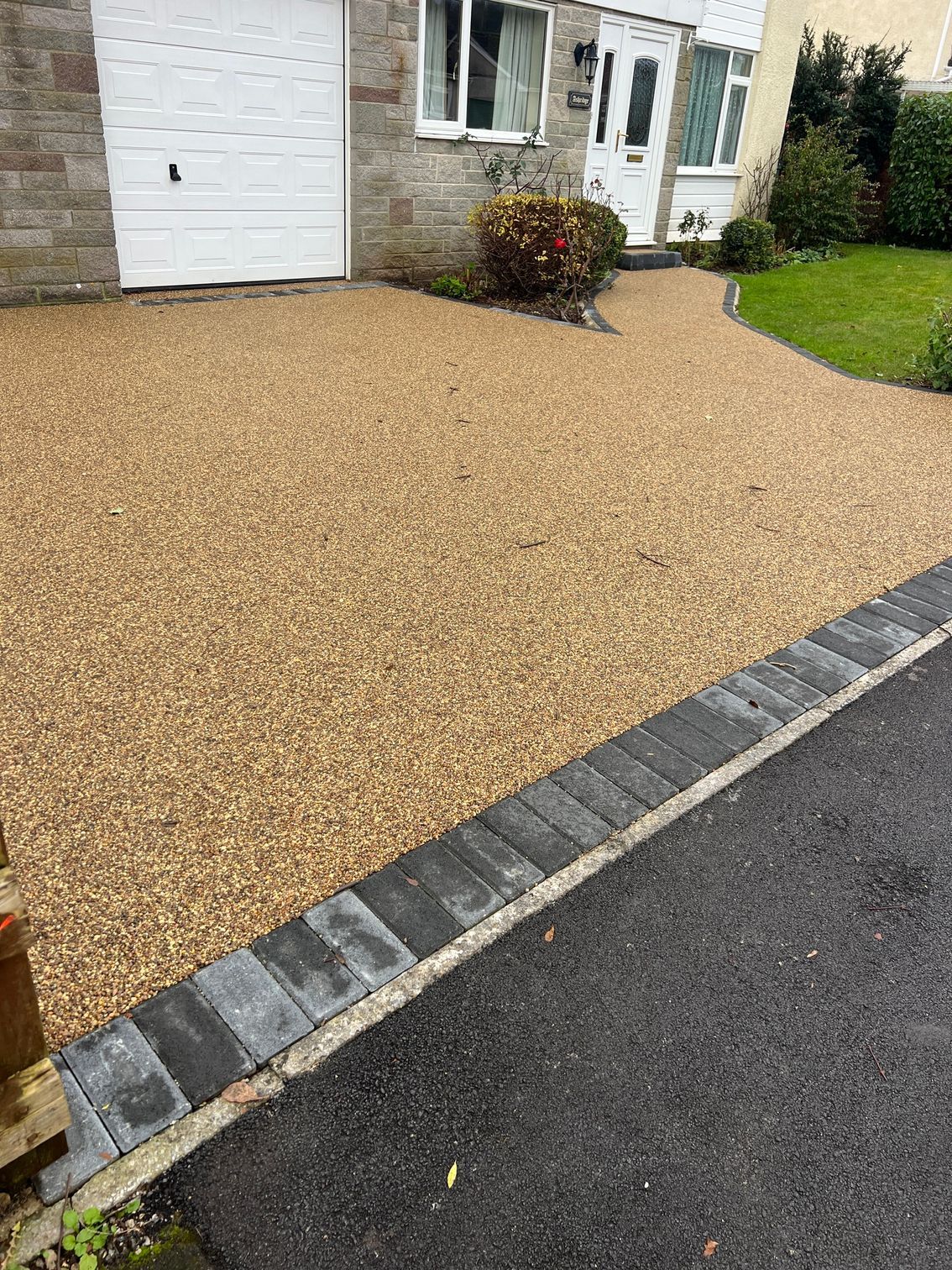
In addition to offering hundreds of natural stone colours, resin provides a smooth and seamless finish, as seen in the second image below, which enhances visual appeal. There is a colour to fit any property, so you can make a custom design for either modern or classic homes.
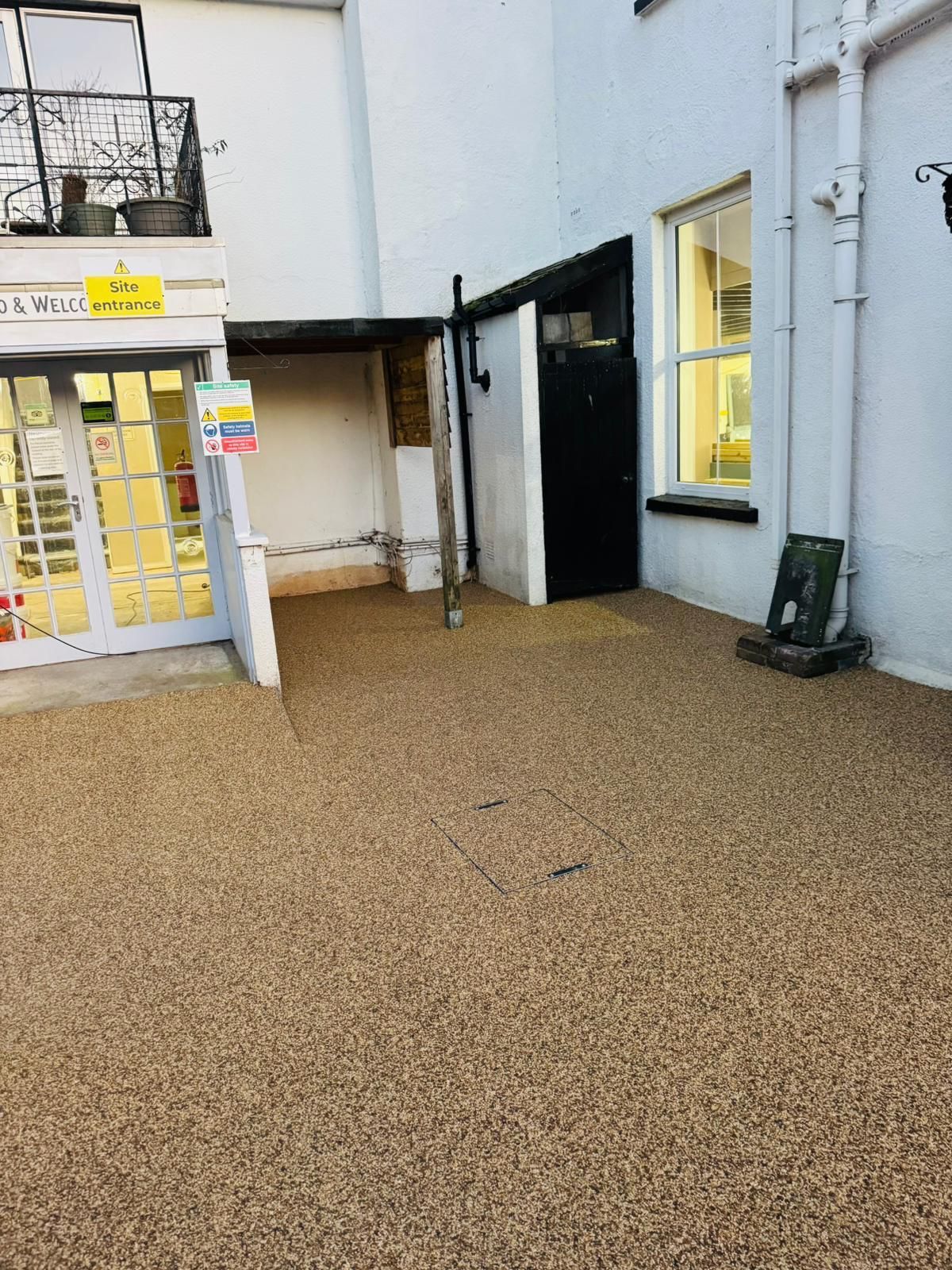
Concrete provides a nice, clean effect as well, as seen in the first image below. While there is less variation than with resin, the colours and "stamp" patterns can be altered.
Who is the recipient of the visual aspect award? Resin always. There are countless options that can be tailored to any kind of property.

Duration of life
Concrete is an incredibly durable material that can support large weights. But when weather changes, it is the most "crackable" surface. Additionally, when cracking occurs, repairs are easily noticeable.
When applied correctly, resin has a high durability. Because of its high "flex," it is less likely to crack and can withstand ground movement better than other driveway materials. Resin works best on any surface where vehicles are present.
Capabilities of Drainage
The most permeable (or porous) driveway surface option is resin-bound surfacing. Water simply runs through it right away. This translates to complete SUDS compliance, no puddling, and lower flood risks. Additionally, because resin has drainage capabilities, no planning permission is needed to install it on a property.
Concrete has very poor water management qualities because it is completely impermeable. In the absence of properly installed drainage channels and falls, water will collect on the driveway. Additionally, this raises the risk of flooding and water run-off.
Since drainage is its primary purpose, resin is by far the superior choice.
The price difference between resin and concrete
This is where concrete shines a little more because, depending on the size and specifications, it is typically 20–40% less expensive to install than resin. Resin has many "wins" in this guide, which makes it more costly to install. However, with concrete's additional maintenance costs, it can frequently balance out over time.
The Need for Maintenance
Resin is extremely low maintenance, some sweeping sporadically, maybe a jet wash once a year! It is resistant to weeds, fading, and does not require sealing. The porous nature of resin also helps to avoid debris build up on the driveway.
Concrete is relatively maintenance-free for the first couple of years. After that point, it can start to fade and potentially crack. It can also become quite slippy in the winter when it starts to wear. In that sense, sealing is required to keep concrete functional and looking good, often every 2 years, and can cost from £500-£2,000.
What is the duration required for their installation?
The timings of installation are comparable. When discussing a complete excavation project, the procedure is actually fairly similar: excavate the area to the necessary depth, remove all waste, build up the base and sub-base, and then install the completed surface.
For the majority of home projects, the installation time for concrete or resin can range from three to seven days, depending on the project.
Additionally, it takes a few days for both materials to be used in vehicles.
What is the best surface all around?
As you can see from the guide, resin offers more advantages than concrete. Saving 20–40%, however, can be significant if money is tight. So, in the end, it all boils down to price. Resin is unquestionably the best option if you're searching for a product that is more durable, attractive, and genuinely maintenance-free.
Nevertheless, some clients are content to pay the maintenance costs every few years because they like the concrete design. Concrete would be a better option in that scenario.
You might also like
Longevity Resin Driveways Wolverhampton